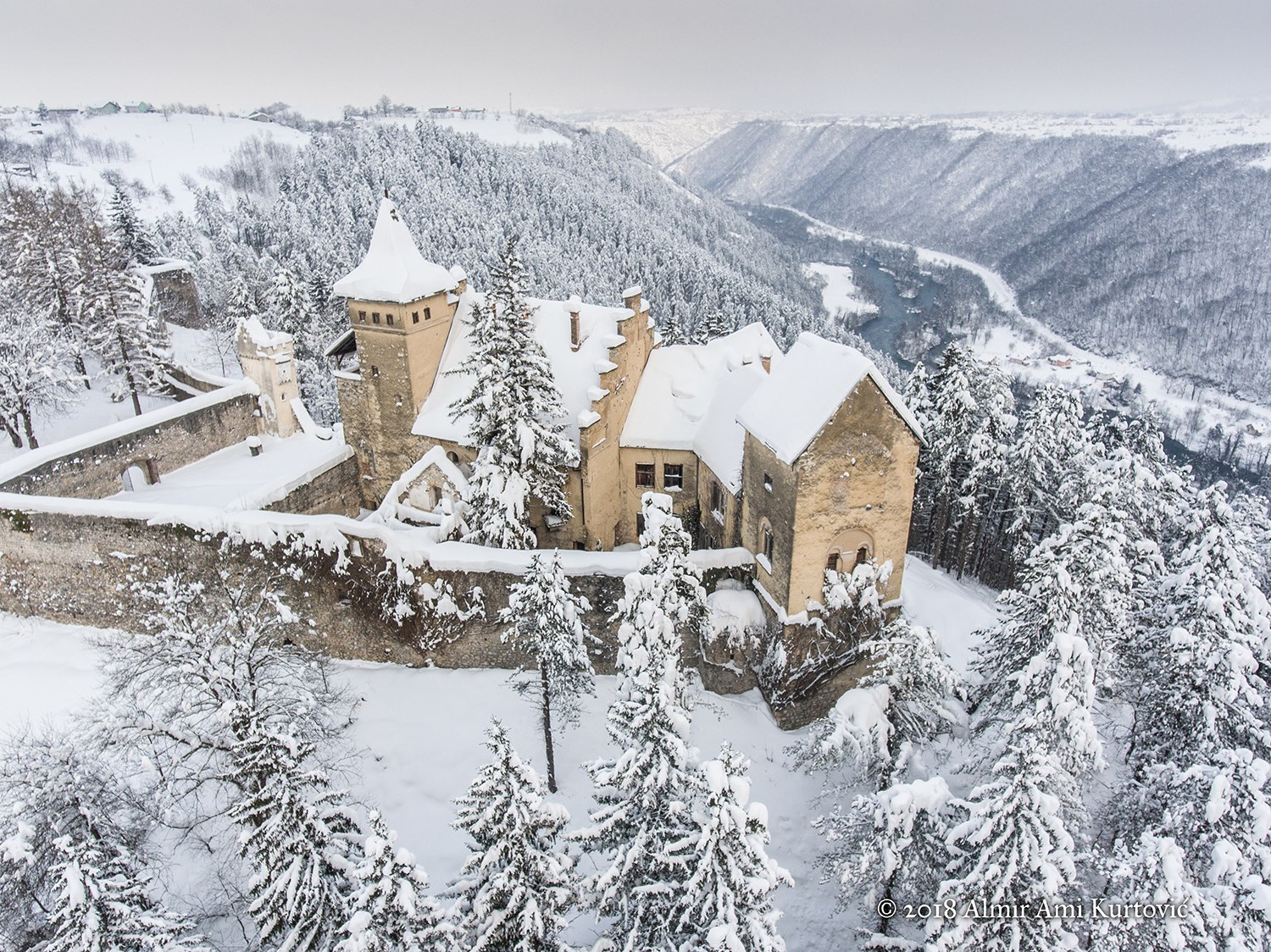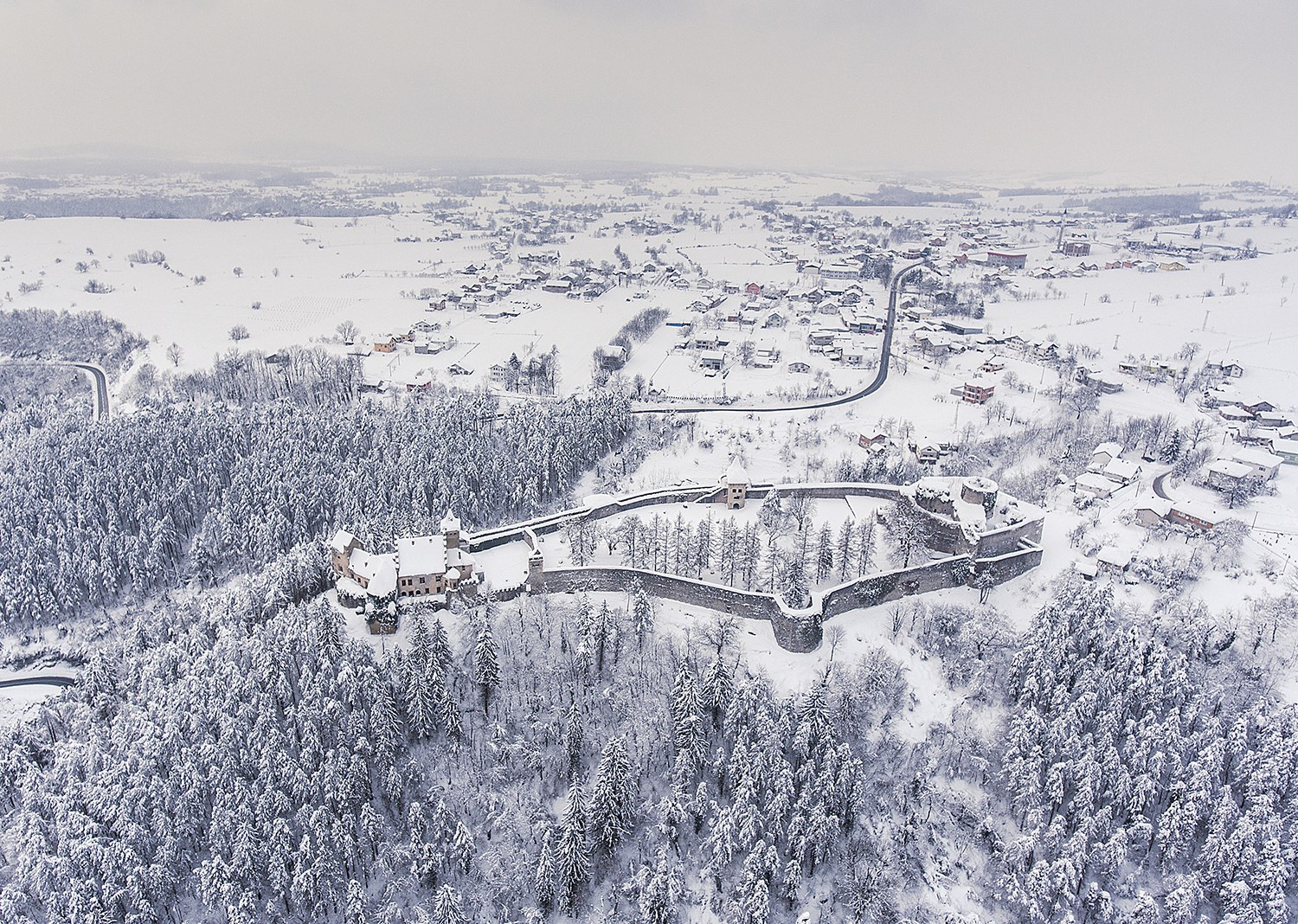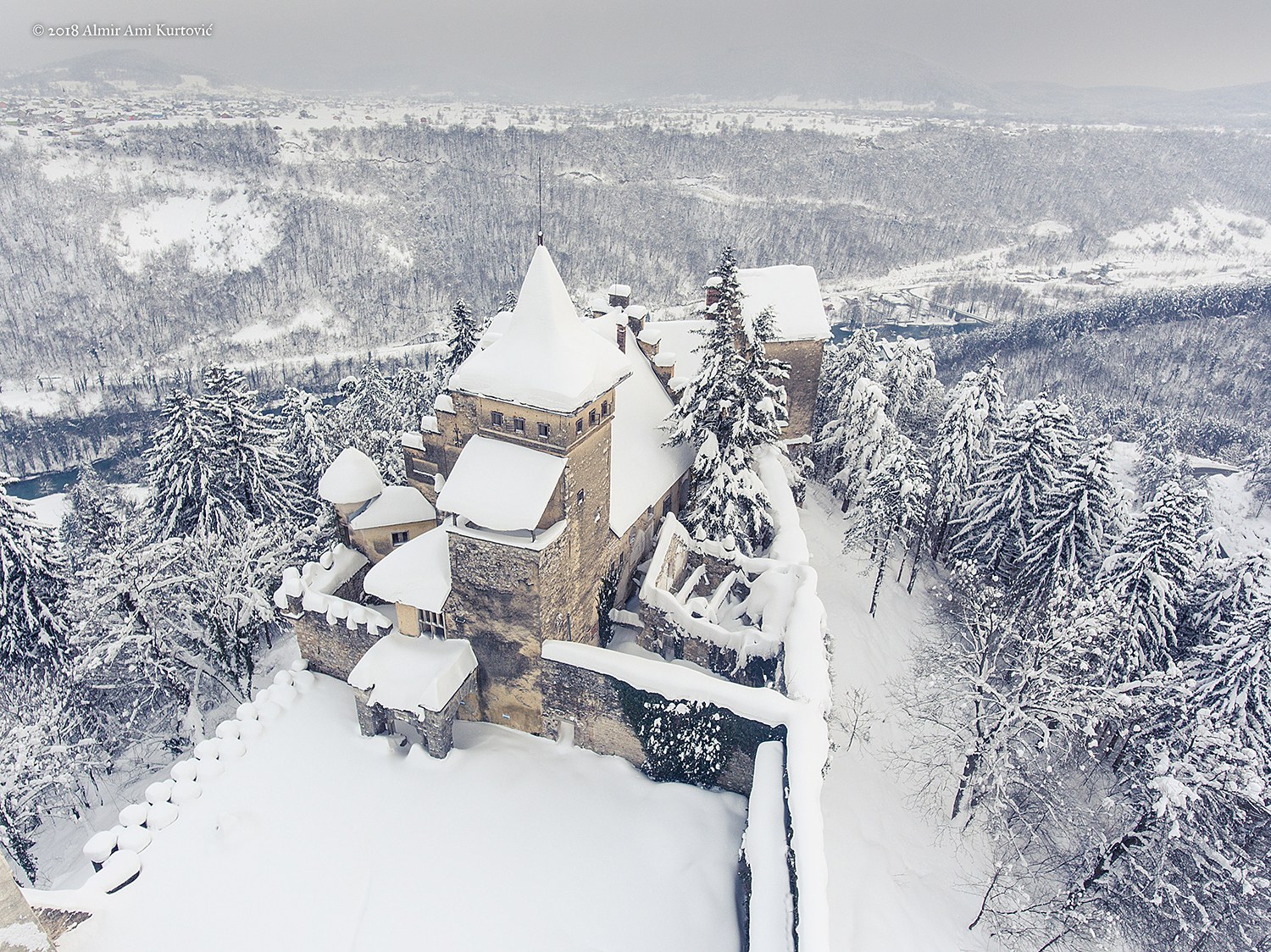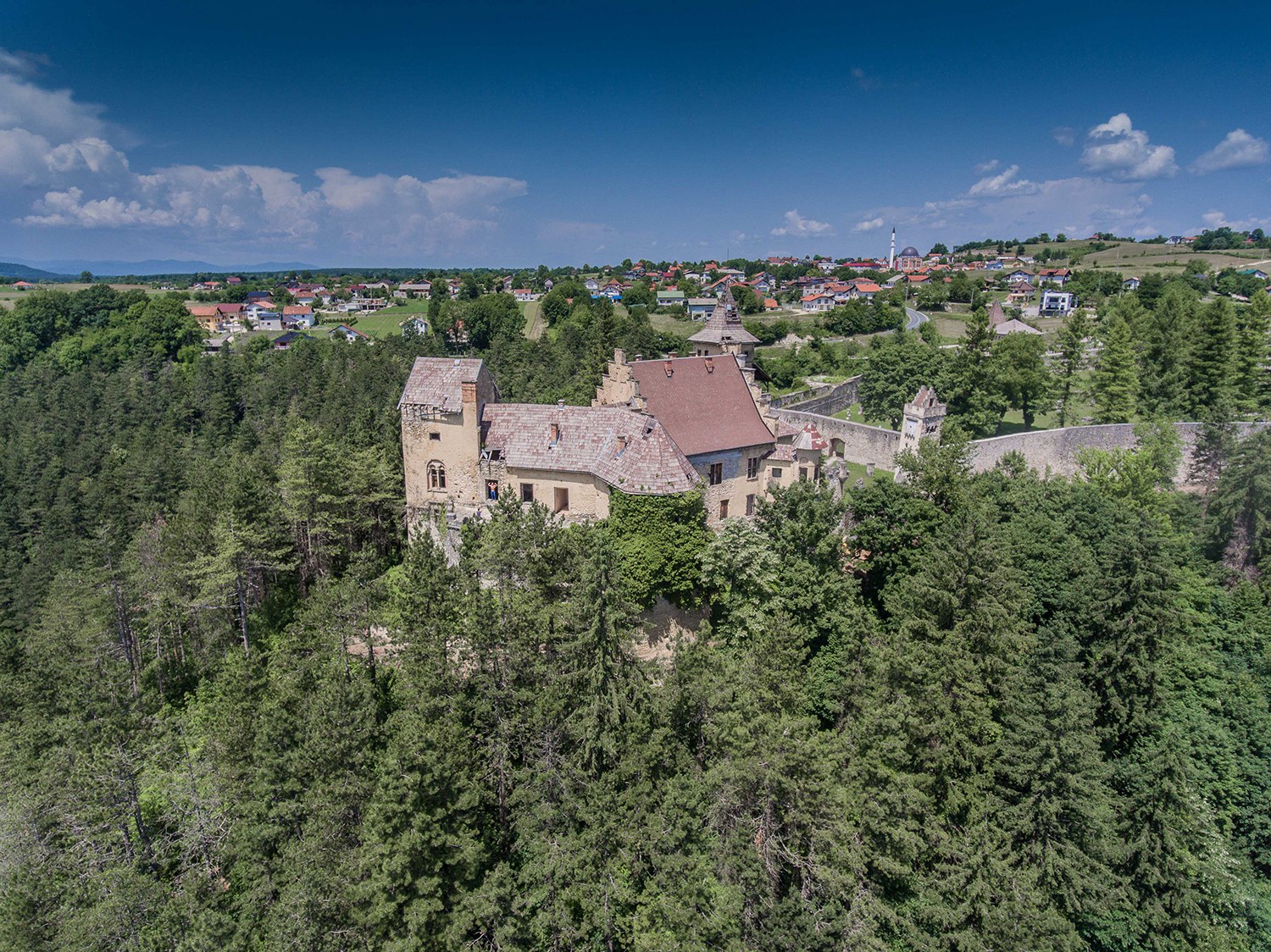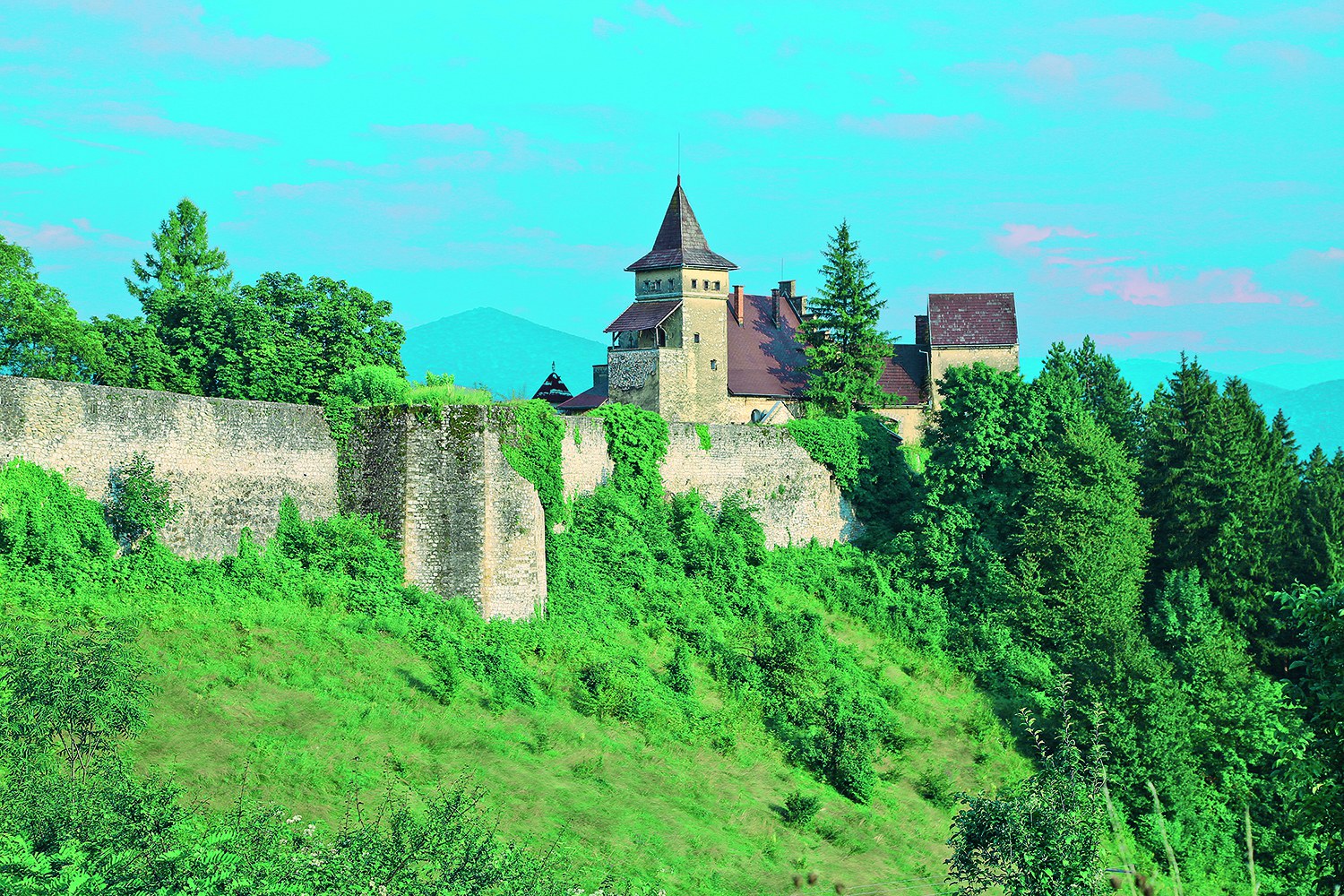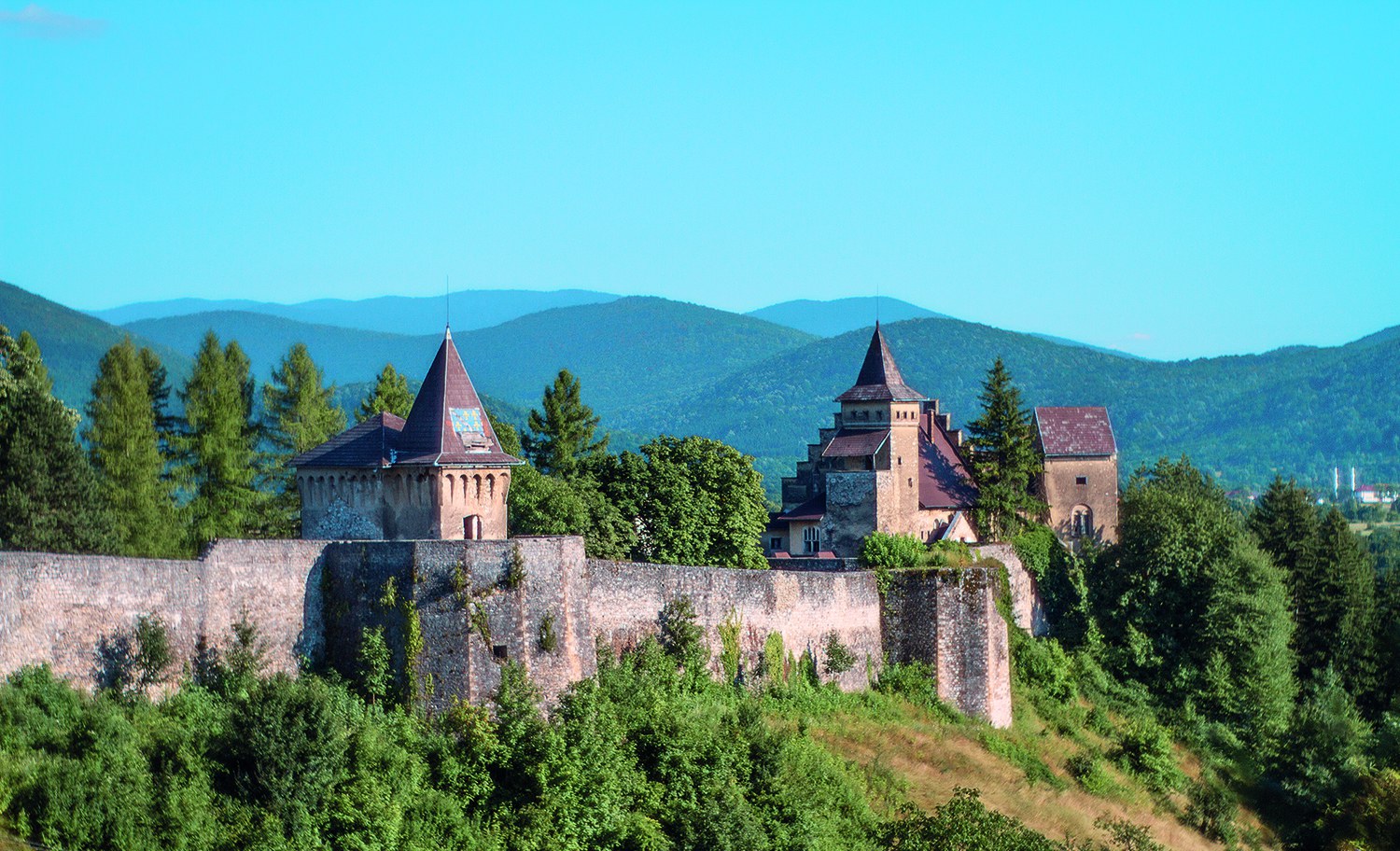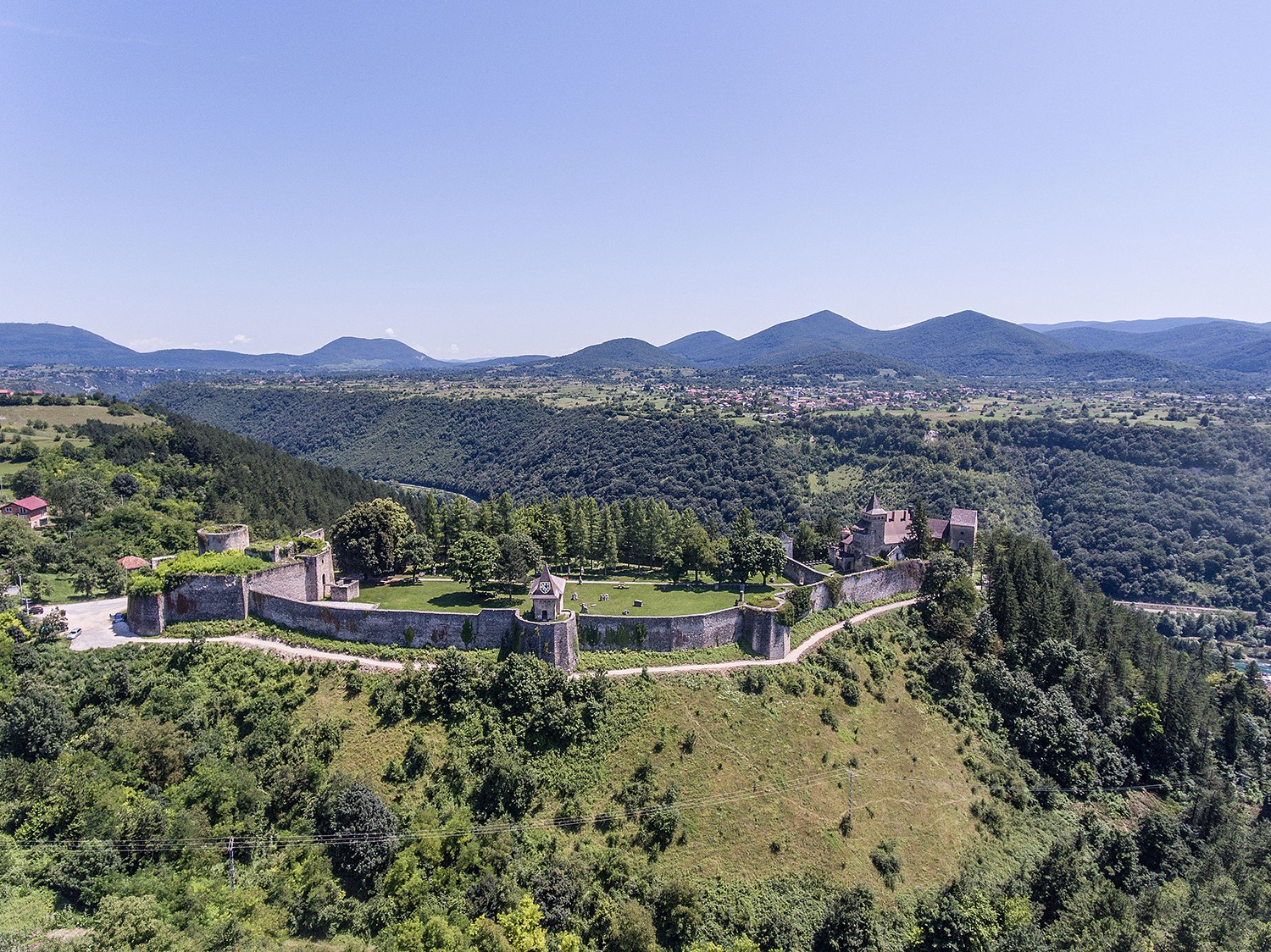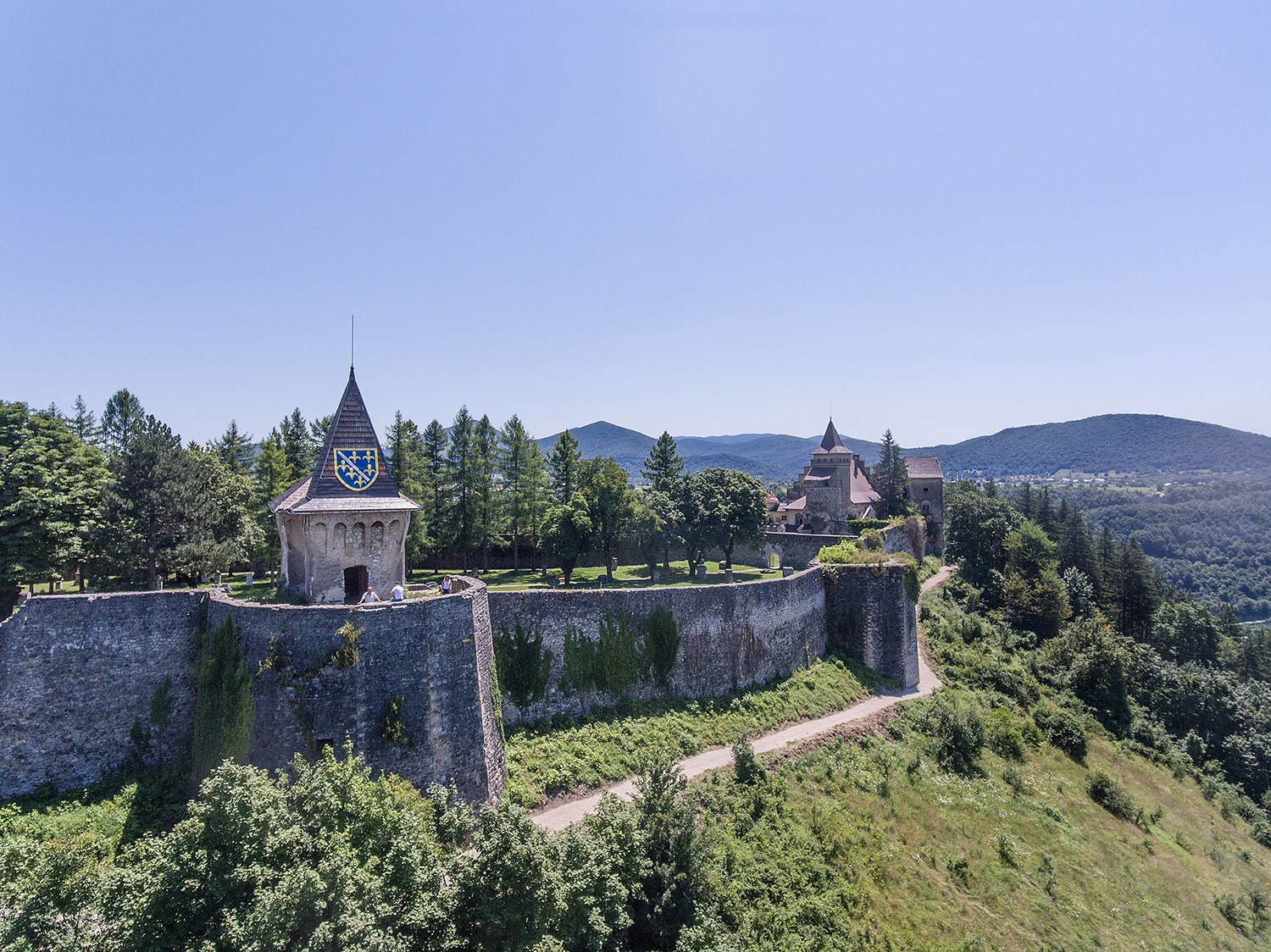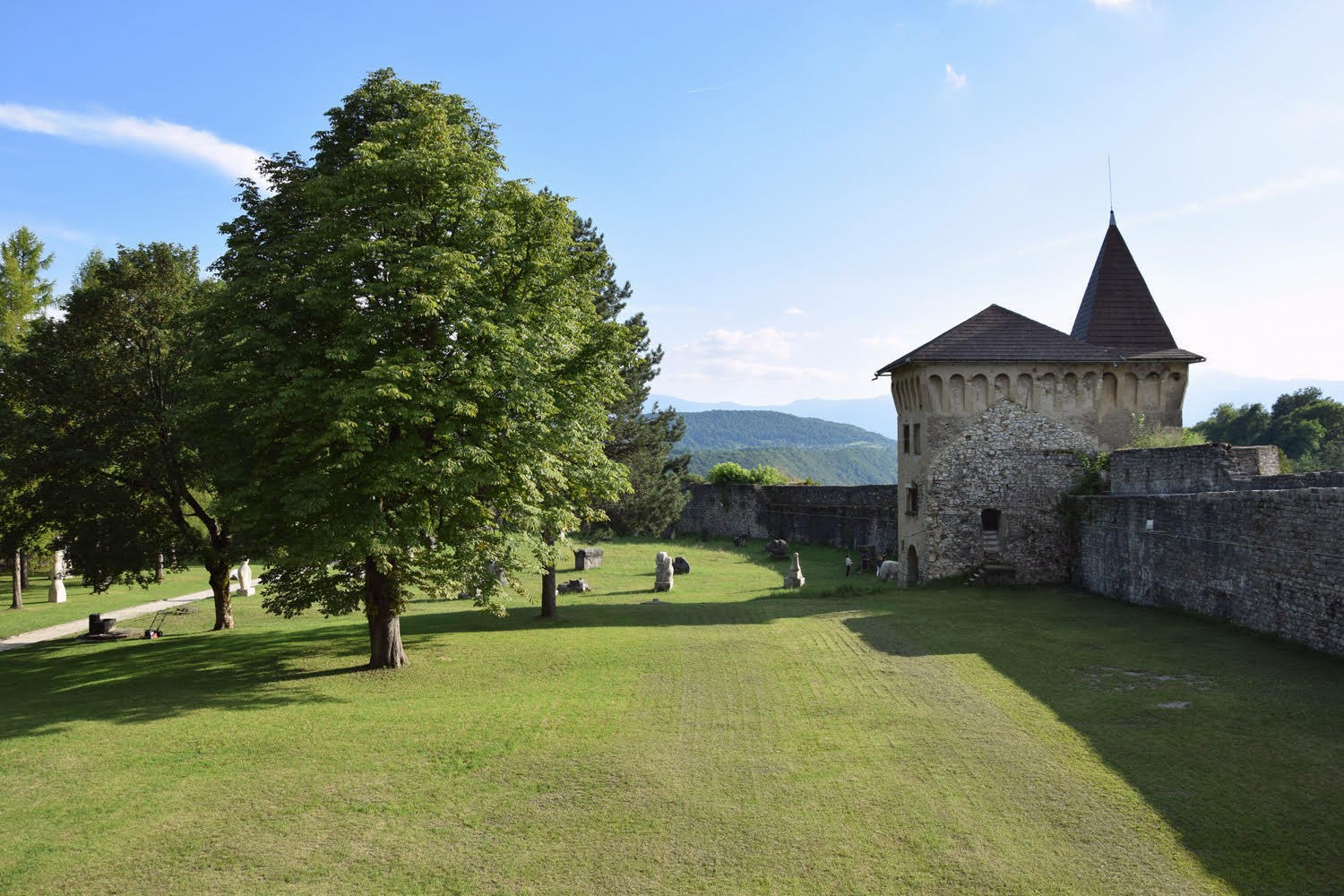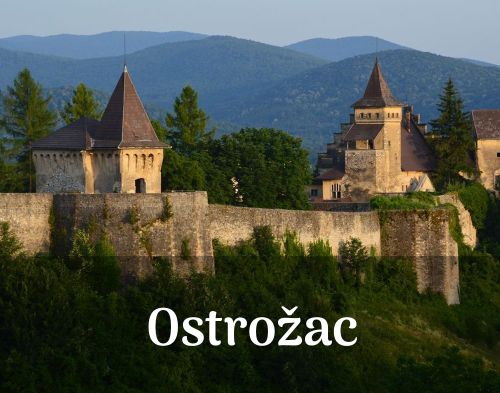
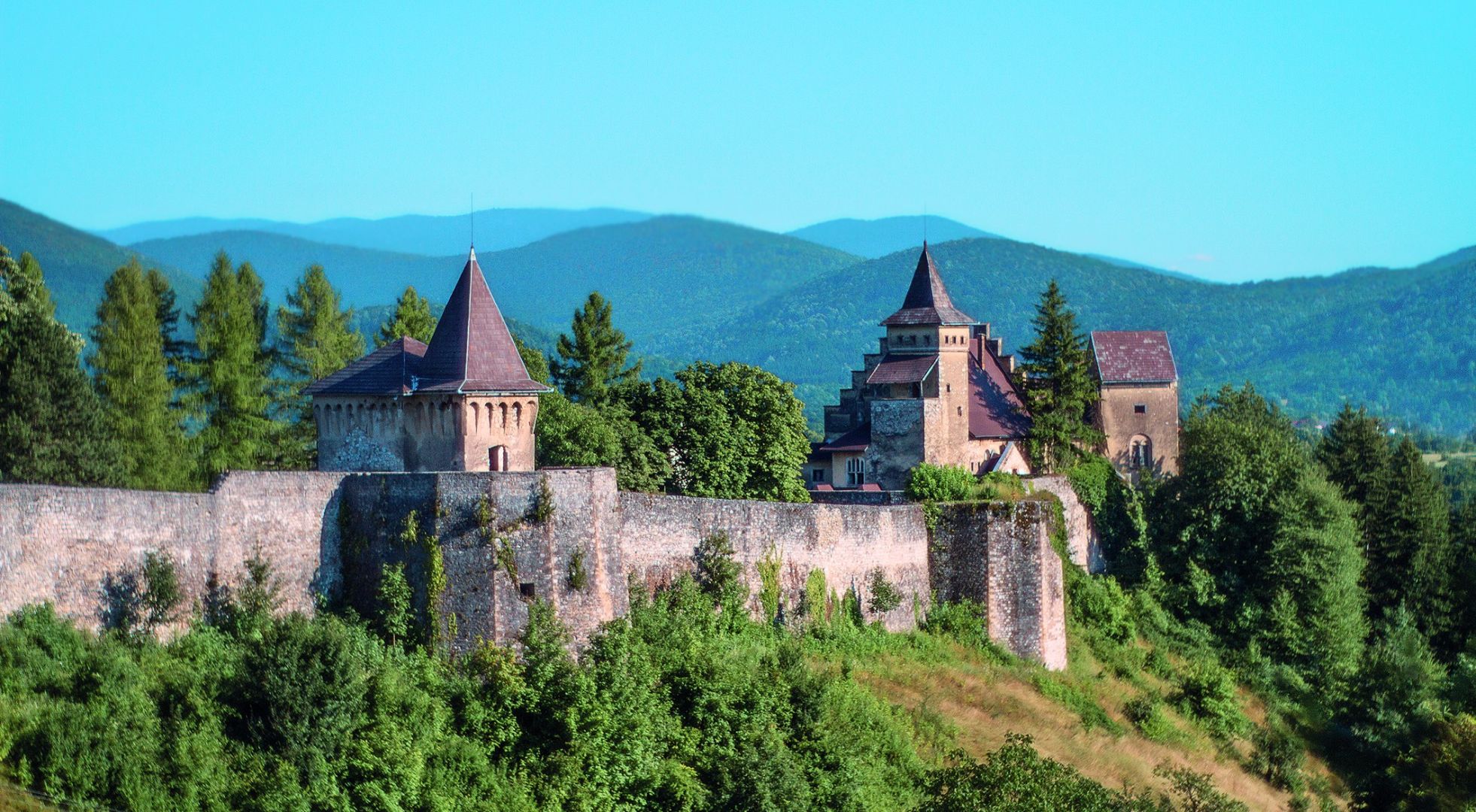

The Ostrožac castle is located 14 kilometers north-east of Bihac, on the left bank of the river Una. It is located 206 meters above the river Una.
According to some sources, Ostrožac castle was originally built in 40 AD and at the time. However, the castle was first mentioned centuries later, in 1286, as the property of the Knez, or duke, of Blagaj, Knez Babonić. He later renamed himself as the Knez of Ostrožac. In 1577, Ferhad-bey Sokolović captured the castle for himself, but just a year later, it then fell into the hands of the invading Ottoman army.
During the age of empire, to capture Ostrožac castle meant to rule the entire Una river valley and its surrounding towns and villages. During the Ottoman occupation, the keys to Ostrožac castle were given to the Beširević family. Members of this family collectively owned the castle for approximately 300 years.
Following the annexation of Bosnia and Herzegovina by the Austro-Hungarian Empire in 1878, Mehmed-bey Beširević, a senior member of the family, was eventually forced to sell Ostrožac castle to Lothar von Berks, a local duke.
Because the castle had been neglected from 1836 to 1878, Lothar von Berks and his wife, Isabella von Berks decided to spend all of their savings not only in both restoring and renovating what was left of the complex, but to also build a magnificent Roman-style villa. Ostrožac castle was completely restored and renovated in 1902, and the couple moved in straight after with their children. Lothar and Isabella von Berks, along with their children, enjoyed their time living at Ostrožac castle. They also mingled with the locals very often. They lived there until 1938, when they fled to Slavonia, the region of the eastern part of Croatia. The castle was used for military preparations by Josip Broz Tito and members of his Partisan resistance movement between November, 1942 and January, 1942 during the Second World War. Vladimir Nazor, a well-known Croat poet and politician at the time also accompanied Josip Broz Tito at Ostrožac castle.
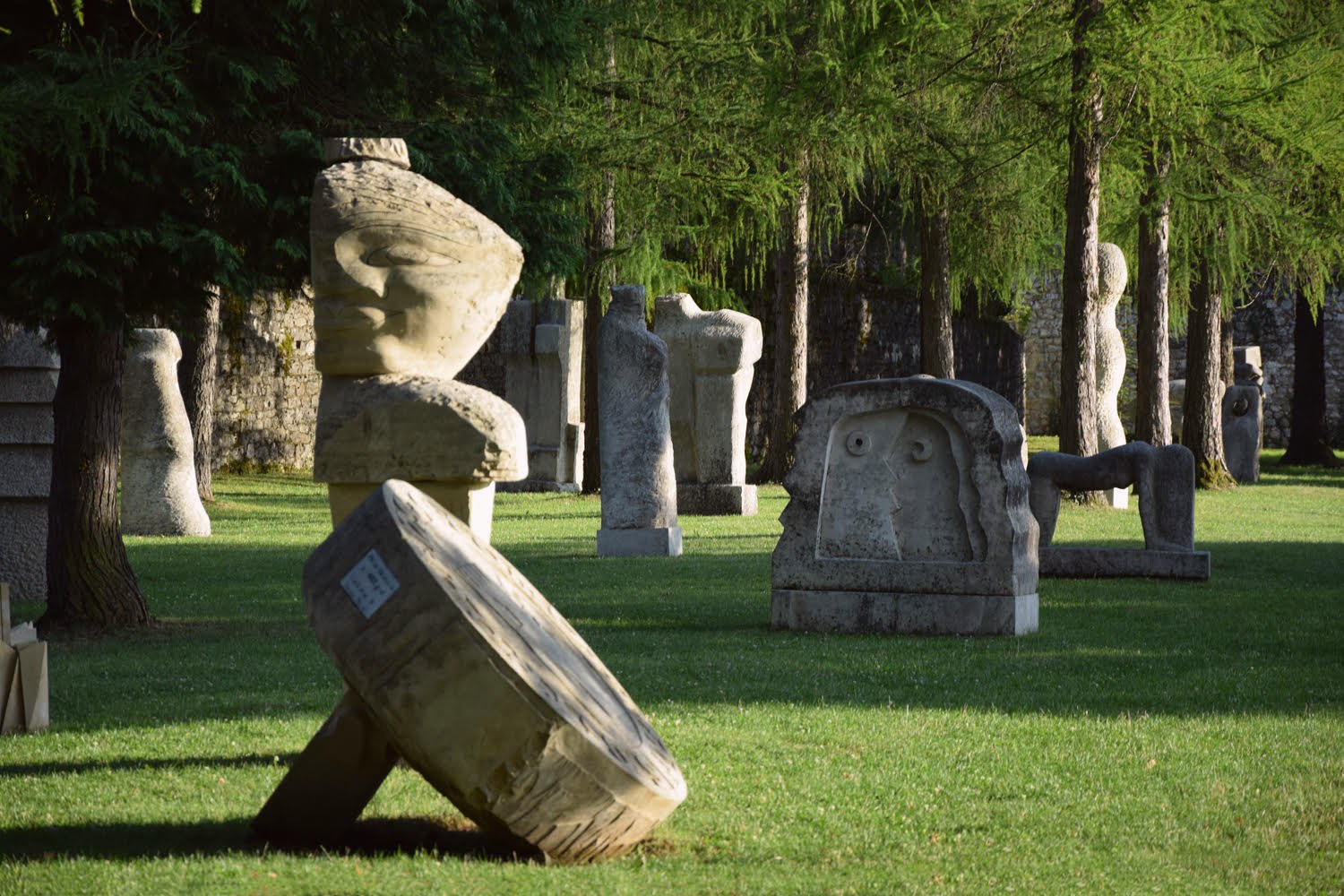
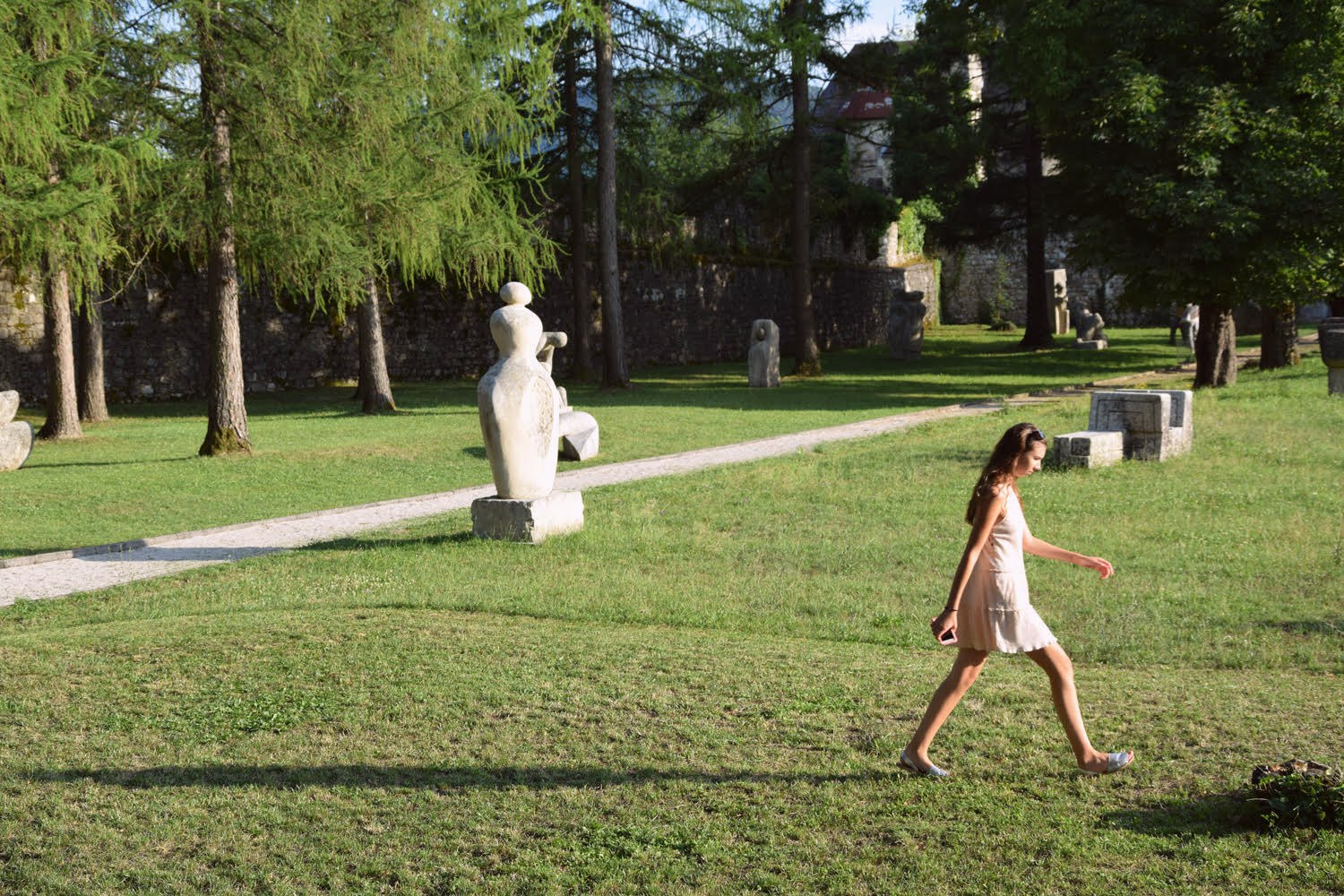
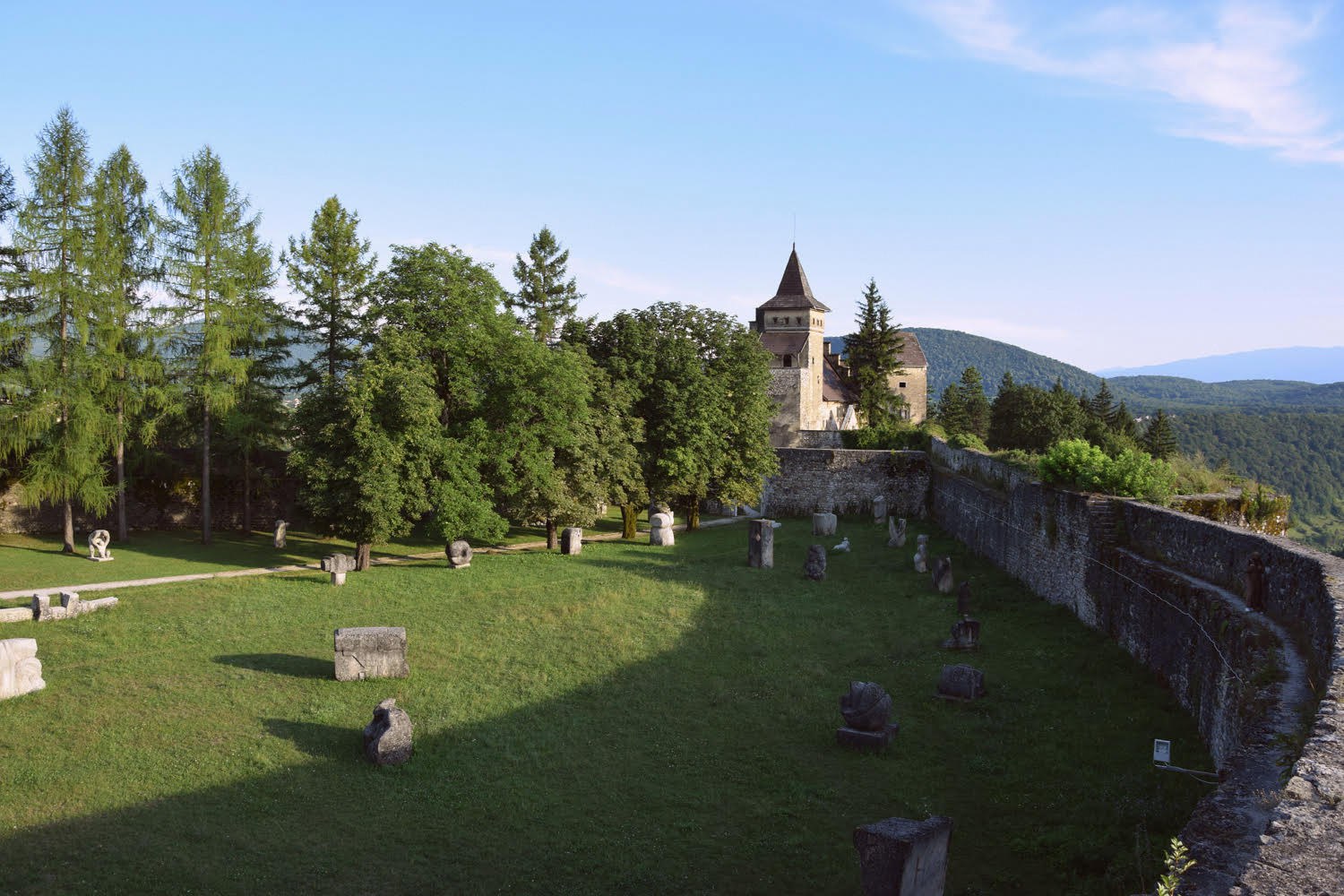
Following the Second World War, it was nationalised by the new Yugoslav authorities and in 1967, Ostrožac castle again opened its doors to the public. It eventually became a sculptor’s colony, and sculptors from all around the world visited Ostrožac castle just to admire the sculptures that were on display within the walls.
Today, Ostrožac castle is one of the most popular and well-known attractions not only in the region of Unasana, but in Bosnia and Herzegovina and its neighbouring countries. It is also one of the most underutilised!