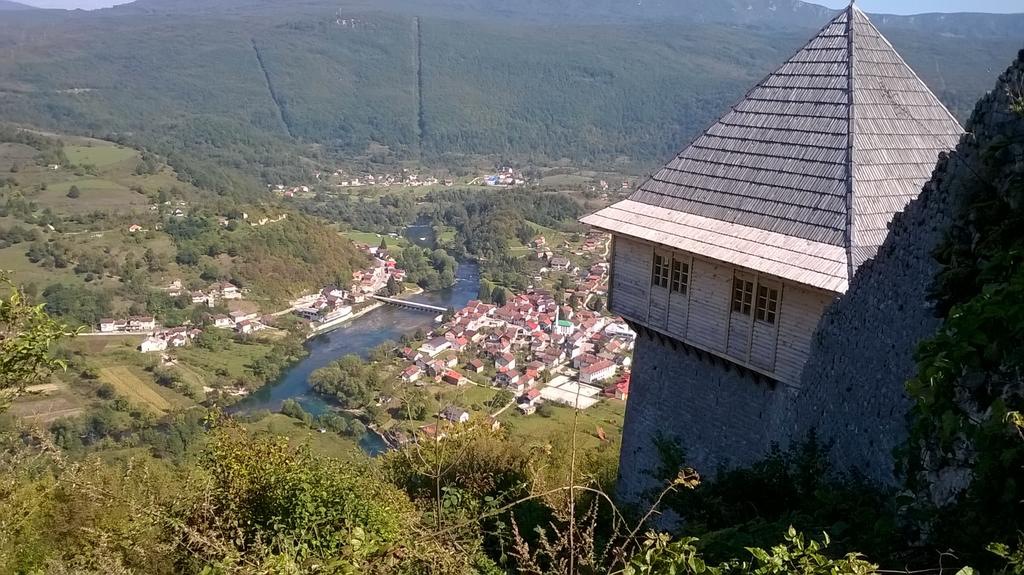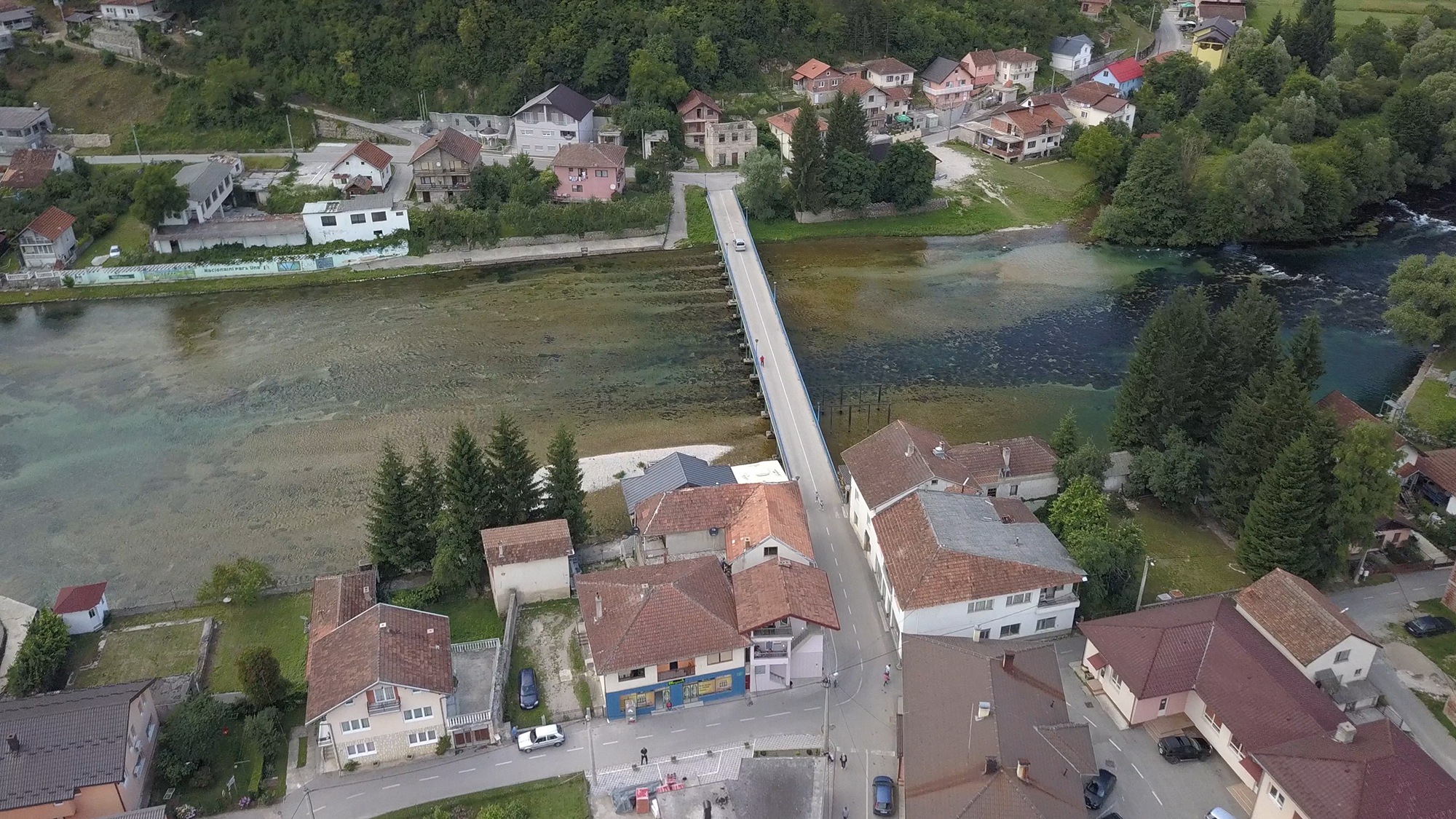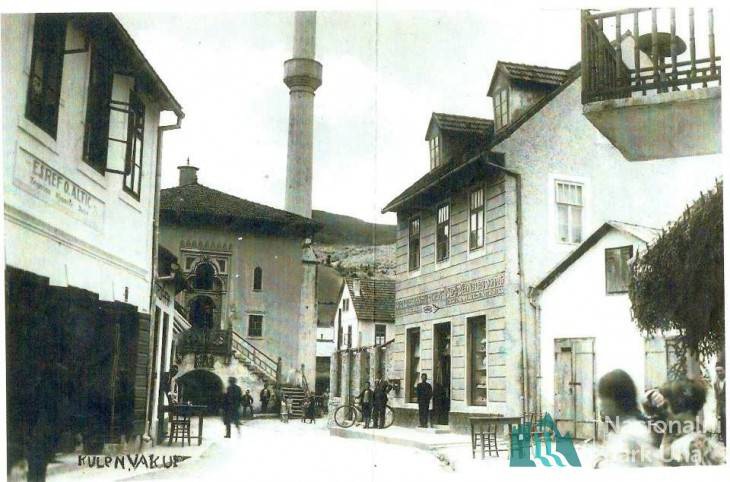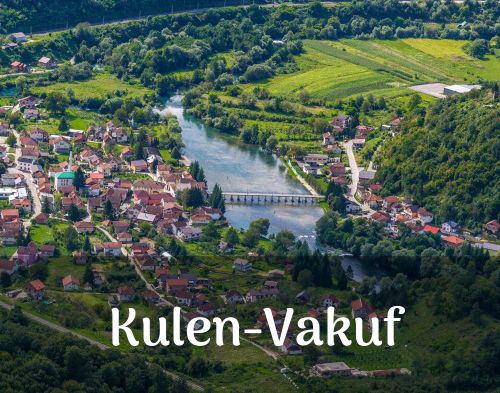
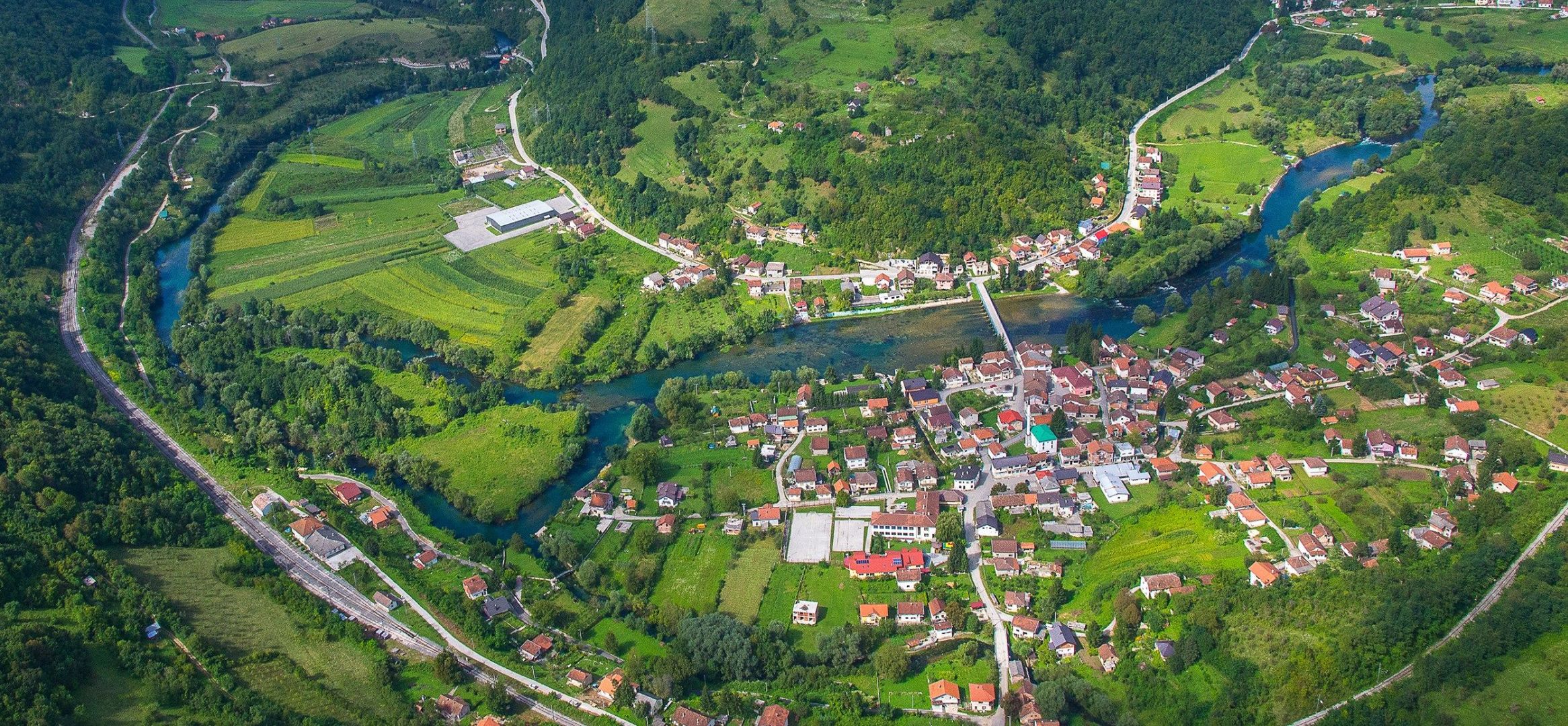

Kulen Vakuf is the largest settlement in the National park area. For ages it was an important nodal point of roads leading to and from the coast of Adria. In the ancient Roman times there was a road leading from Zadar (coastal city in Croatia) which connected Roman provinces of Dalmatia and Panonia.
A town named Džisr-i-kebir (turkish for The Large Bridge), which was the first name of today’s Kulen Vakuf, was founded after Sultan Ahmed I (reigned 1603 – 1617) built the first mosque in this area. Its today’s name derives from its XVII century name Palanka (a small town) of Mahmut paša Kulenovića (Mahmut paša Kulenovič was a vakif1 and he helped erect many of town’s buildings). In XIX century the town is officially named Kulen Vakuf.
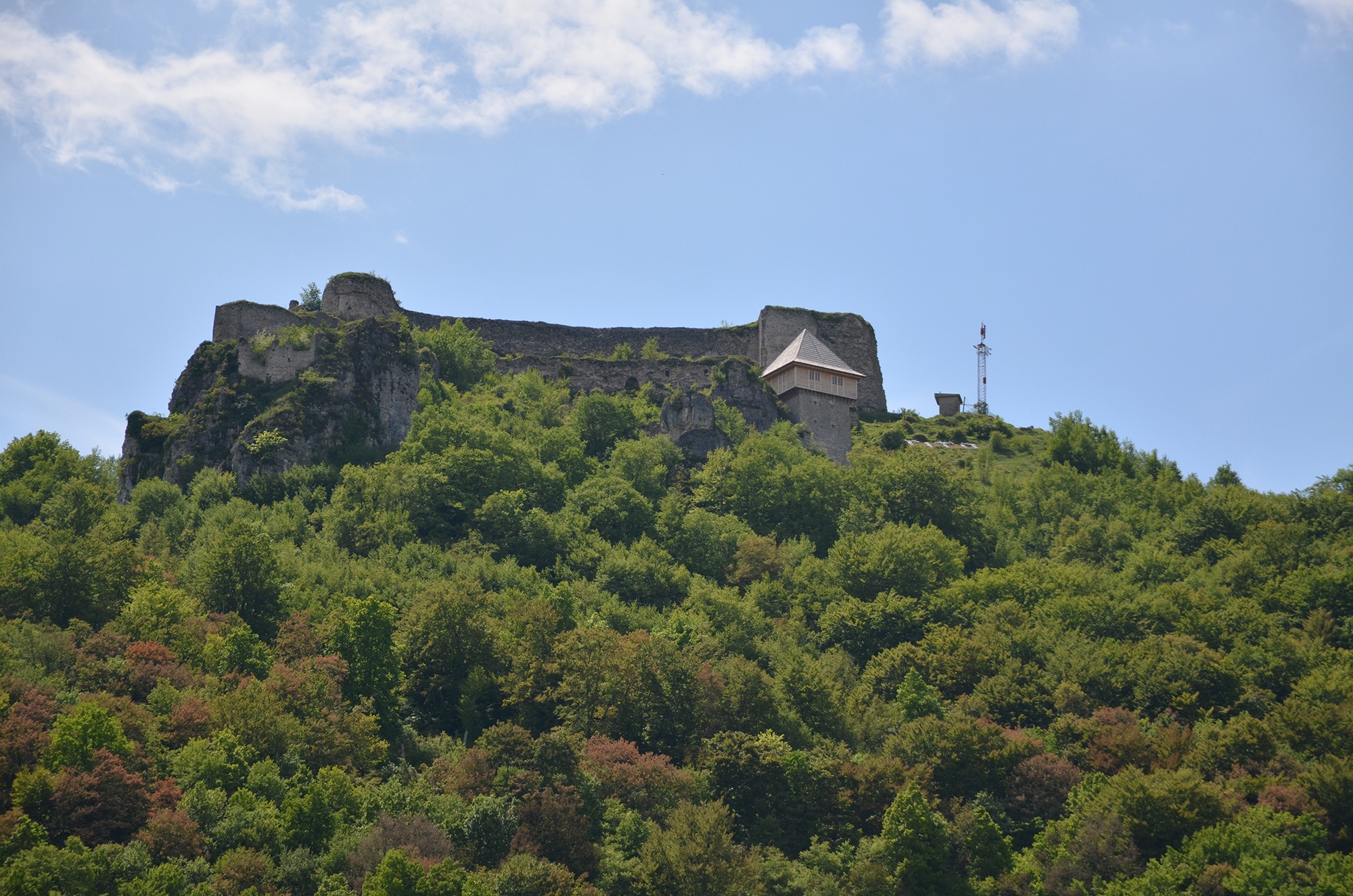
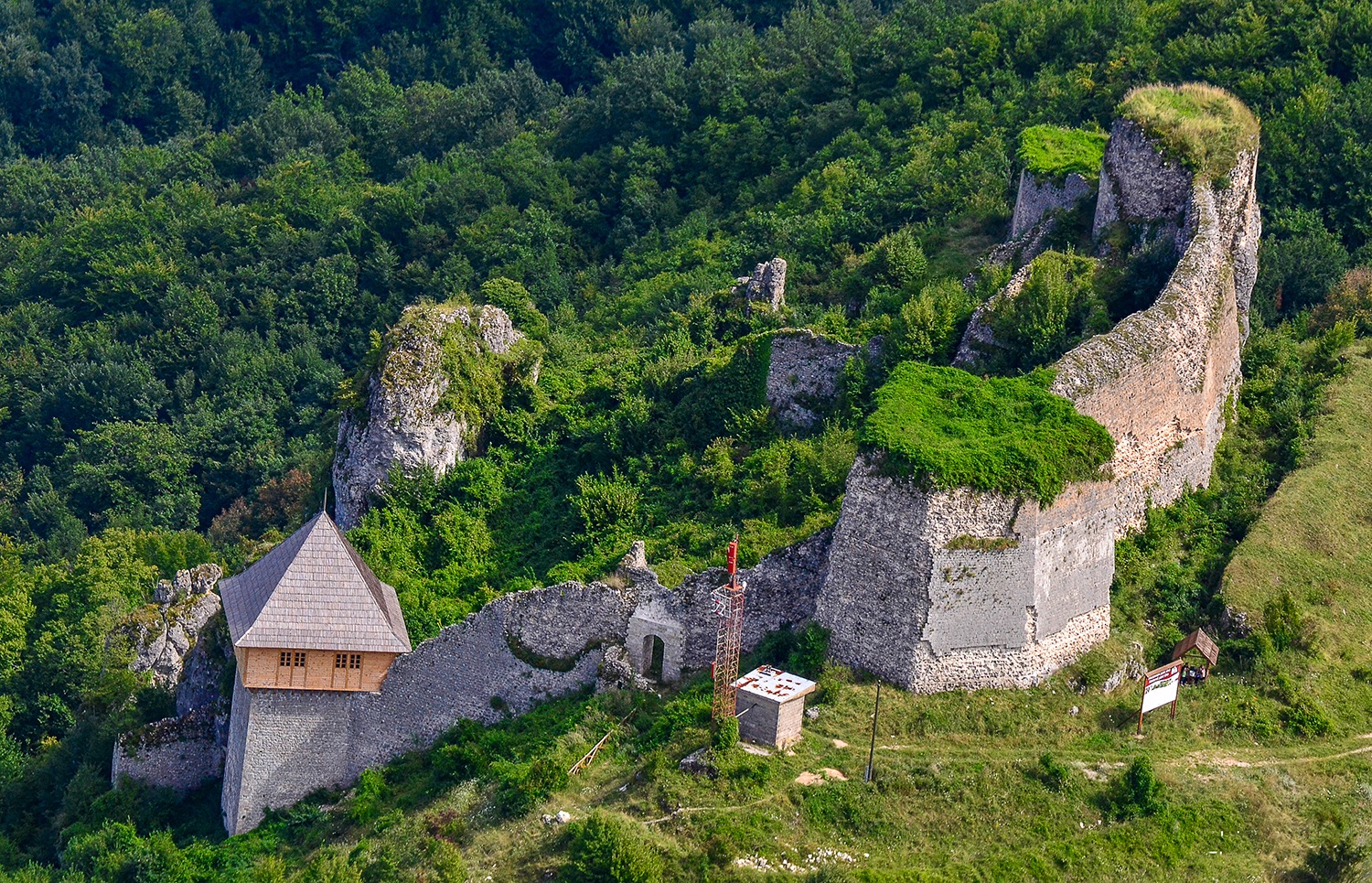
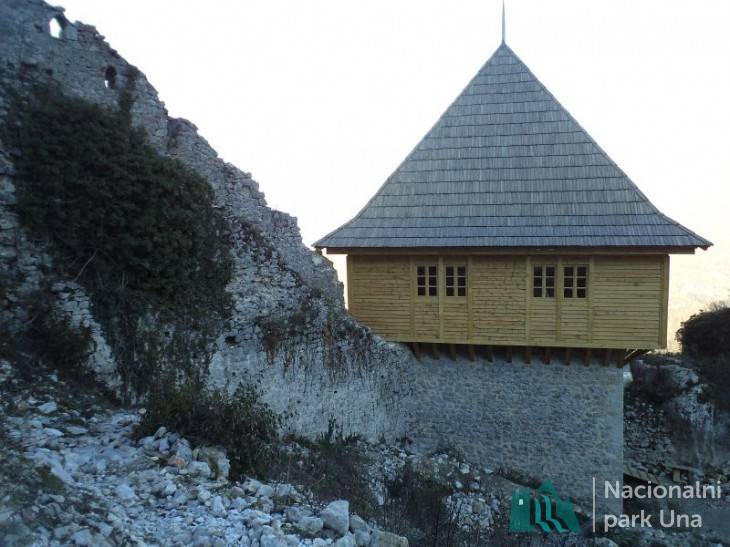
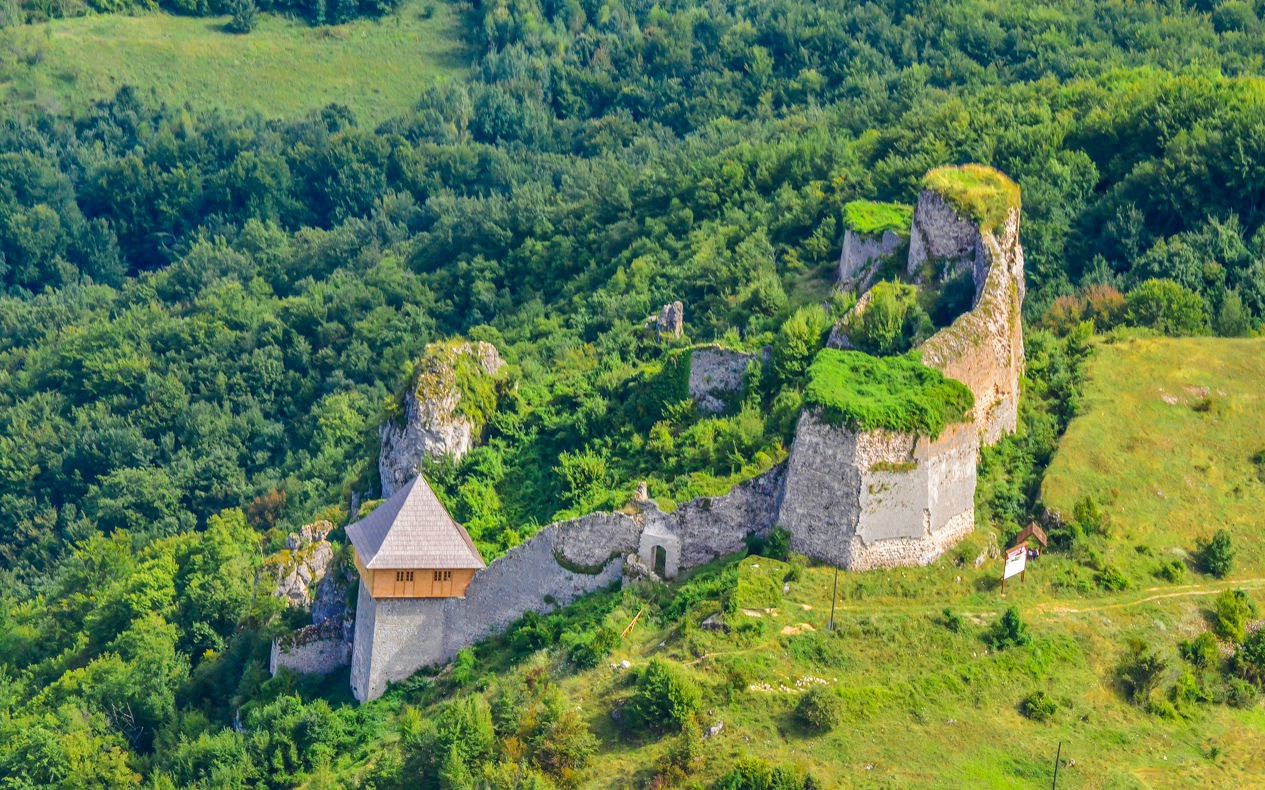
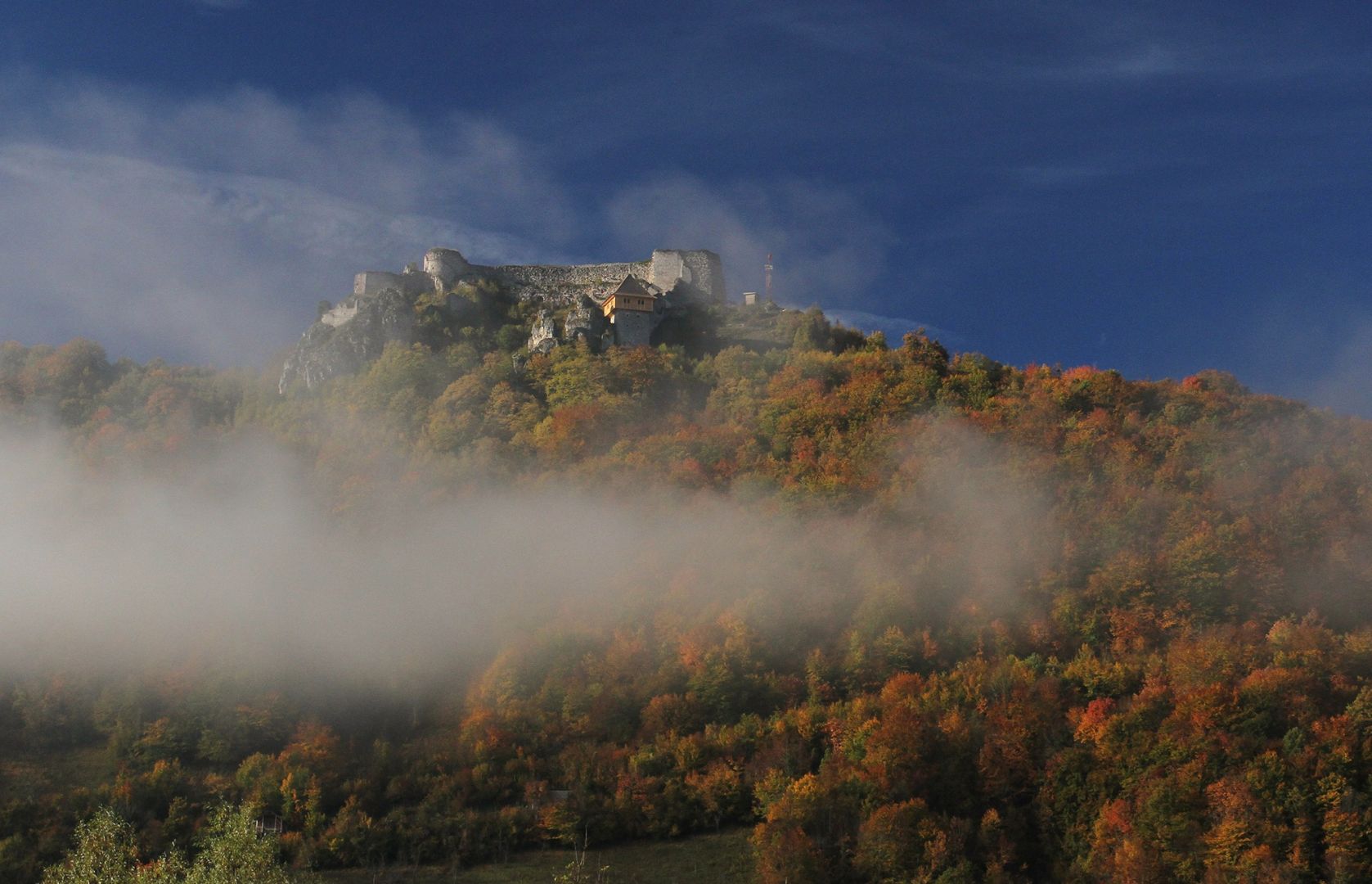
Above the Kulen Vakuf on the left side of Una and its tributaries Ostrovica, the medieval and Ottoman fortress Ostrovica is dominating, and on the right there are still visible remains of the Ottoman Fort Havala.